Essential Summer Lawn Care Tips for Northeast Florida
July 4, 2026
Surviving summer in Northeast Florida requires a
specialized lawn-care approach: mow high to lock in moisture, skip nitrogen-heavy fertilizer during the rainy season, and watch for sod webworms or chin bugs. With scorching heat and 90-degree days followed by torrential afternoon thunderstorms, your grass needs extra care to thrive. However, with the right strategies, you can maintain a thriving summer lawn that not only survives but flourishes. We will explain essential summer lawn tips, including the best shade trees for Florida, how to care for grass, and more.
Creating Shade with Florida-Friendly Trees
Shade trees are crucial for any North Florida gardening plan, especially during the summer months. The right trees can provide natural cooling, reduce water evaporation, and protect your plants from the harsh sun.
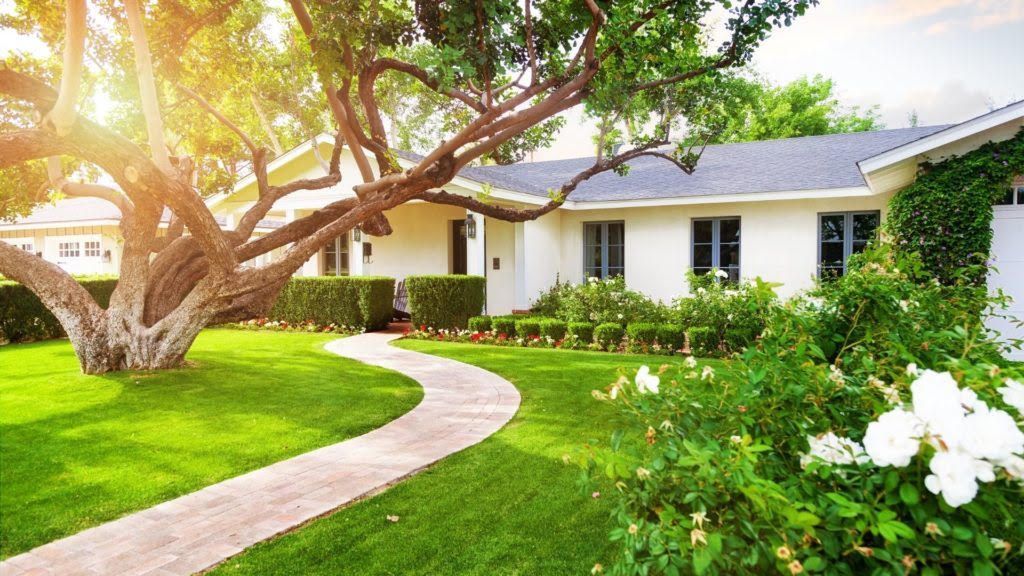
The Live Oak Southern Magnolia: The Live Oak is a classic Southern tree known for its sprawling branches and dense canopy, providing excellent shade for large areas. Its impressive longevity and resilience make it a staple in North Florida landscapes. With its tolerance for heat, drought, and strong winds, it is perfectly suited to the region’s challenging climate, adding both beauty and practicality to any shade garden.
Southern Magnolia: The Southern Magnolia is a true icon of the South, known for its large, fragrant white flowers and glossy, evergreen leaves. This tree not only provides ample shade but also adds year-round beauty to any garden. Its deep roots make it drought-resistant, while its dense canopy offers excellent cooling.
Florida Flame Maple: Known for its vibrant red foliage in the fall, the Red Maple is a fast-growing tree that provides excellent shade. It thrives in Florida’s climate and can adapt to various soil types, making it a versatile choice for many landscapes.
Bald Cypress: A native to Florida’s wetlands, the Bald Cypress is well-suited to both wet and dry conditions. This deciduous conifer is unique in its ability to thrive in waterlogged soils, making it perfect for areas prone to flooding. Its soft, feathery foliage creates a light, airy shade that cools without overly darkening the landscape.
Practices That Actually Work in Summer
Water deep, not often: The goal is to wet the root zone, roughly the top 6 to 8 inches of soil, and then let it dry meaningfully before the next irrigation. This drives roots downward. Frequent shallow watering does the opposite: it keeps roots near the surface where they’re most vulnerable when the heat spikes.
Run cycles between 4 AM and 8 AM: This window minimizes evaporation losses and gets the leaf blades dry as the sun rises, reducing the window for fungal diseases like gray leaf spot and brown patch. Evening watering during summer is one of the most common causes of diseases.
Raise your mowing height in summer: For St. Augustine, set it to 3.5 to 4 inches. For zoysia, 1.5 to 2.5 inches, depending on cultivar. For Bermuda, 1 to 1.5 inches for home lawns. Taller grass shades the soil, reduces evaporation, and supports a deeper root system. Cutting too short is one of the most common causes of summer decline.
Keep mower blades sharp: A dull blade tears the leaf rather than cutting it cleanly, increasing transpiration losses and creating entry points for disease. Sharpen at least twice per season.
Patch bare areas with plugs or sod: Seed isn’t a good option for the warm-season grasses used in Florida, since St. Augustine and most Zoysia cultivars are vegetatively propagated. Pull plugs from healthy areas of the lawn or buy a few pieces of sod from the same farm that supplied the original install. Match cultivars carefully.
Stay off it: Foot traffic and mower wheels on recovering areas significantly slow the recovery process. Flag the patches and route around them for 4–6 weeks.
Reassess in 30 days: Most heat damage that’s going to recover will show new growth within three to four weeks of corrected conditions. Areas that haven’t responded by then probably won’t, and you’re looking at sod replacement rather than recovery.
Get On a Great Residential Landscape Maintenance Program
A green Florida lawn takes a lot of maintenance. Hand over the pesky lawn care to Harmoni Services, which specializes in comprehensive turf care. You want a tailored lawn care program with perfectly timed treatments to promote growth and control weeds. Add attentive irrigation maintenance to help ensure a healthy, green lawn in Florida.
Harmoni Services can help create flourishing lawns in North Florida. During the summer, a thoughtful approach is required, including the right plants, trees, and features to withstand the heat. From planting shade trees for Florida-friendly cooling to incorporating water features into the garden and providing proper lawn care, these strategies can help create a thriving summer lawn. You can enjoy a beautiful, resilient yard all season long.
Let’s get started. We will help you figure it all out. Call or text (904) 742-5795 to start your summer-ready maintenance program. Visit our website to request a quote today!